Why Worn Key Blades Create Trouble for Your Car's Locks and Ignition
Every day you slide your car key into the door lock, turn it, and expect the mechanism to respond. Over months and years the metal blade of that key gradually wears down. The ridges that match the lock's pins become shallower, the tip rounds off, and the edge that once felt crisp now feels smooth. Most drivers do not notice until one morning the key refuses to turn, or worse, it turns but does not start the car. Understanding what happens inside a lock or ignition switch when you use a worn key can help you decide whether a broken car key replacement is the right move or whether you need to look deeper at the lock itself.
What a Key Blade Does
A car key is not just a piece of metal cut to a shape. It is a precision tool. The blade holds a pattern of cuts and grooves that align with small spring-loaded pins inside the lock cylinder. When you insert the correct key, those pins lift to exactly the right height and allow the cylinder to rotate. That rotation disengages a mechanical latch in the door or completes an electrical circuit in the ignition switch. A worn blade changes the geometry of that pattern. Even a tiny loss of metal can mean the pins do not lift fully, which stops the cylinder from turning.
Most people do not think about their key blade until it stops working. The key sits in a pocket or purse, rubs against coins and other keys, and slowly loses material. The original cuts that the key cutting machine made when the key was first created become less defined. At some point the key no longer fits the lock the way it should, and that is when trouble starts.
How Worn Keys Affect Door Locks
Car door locks are exposed to weather, dust, and grit. A worn key blade slides into the lock cylinder differently than a fresh one. Instead of a clean insertion, it may scrape against the pins or push them at the wrong angle. Over time this can damage the pins themselves or wear down the internal springs. A lock that has been used with a worn key for months may develop a condition where even a brand new correct key does not work smoothly, because the pins have been deformed by the poor fit.
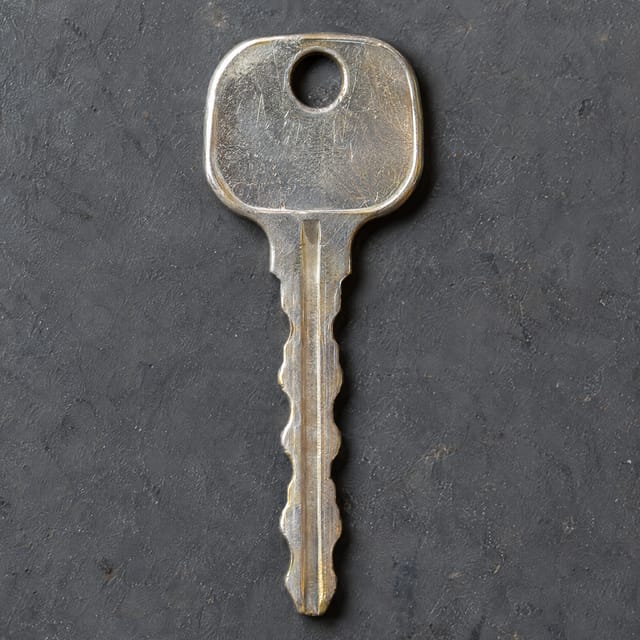
One common sign is that the key goes in easily but will not turn. Another is that you have to jiggle the key up and down or pull it partway out before it will rotate. Both are signs that the key blade has lost its precise shape. If you ignore these signs, the lock may eventually seize completely, leaving you unable to open the door.
Ignition Switches Are More Sensitive
Ignition switches are often even more sensitive than door locks. The cylinder inside an ignition switch is designed to a tighter tolerance because it must align electrical contacts precisely when turned. A worn key blade can fail to rotate the cylinder far enough to complete the circuit, so the engine does not start. Or it may turn partway and then stop, which can leave the ignition switch in a half-rotated position that is hard to recover from.
Many modern cars also use a transponder chip embedded in the key head. The chip communicates with the car's security system. Even if the blade fits perfectly, a worn shell or a loose chip can cause the car to refuse to start. But when the blade itself is the problem, the symptoms are mechanical: the key feels loose in the slot, it does not click into place, or you have to apply extra force to turn it.
When a Broken Car Key Replacement Makes Sense
If your key still has its original shape but has snapped in two, a replacement cut from the key code or from the broken pieces is often the simplest solution. But if the blade has been wearing down gradually, a new key cut to the original code might not work either, because the lock itself may have changed shape due to years of use with the worn key. In that case the lock cylinder may need to be re-pinned or replaced.
A good rule of thumb: if your key still looks close to the original profile and your lock has not started acting up, a fresh cut key will probably solve the problem. If the lock already feels rough or the key sticks, you may need to have the lock inspected before ordering a broken car key replacement. A mobile car locksmith can bring a key cutting machine to your location, examine the lock, and decide whether a new key or a lock service is the better fix.
What Happens During Car Key Cutting
The process of car key cutting is precise. The locksmith uses a machine that traces the original key or reads its code, then mills a blank to match. But that blank is only as good as the pattern it copies. If the original key is worn, the copy will also be worn. That is why professional locksmiths often check the key against the lock before cutting a replacement. They may need to adjust the cuts slightly to compensate for wear on the pins, a technique called code correction.
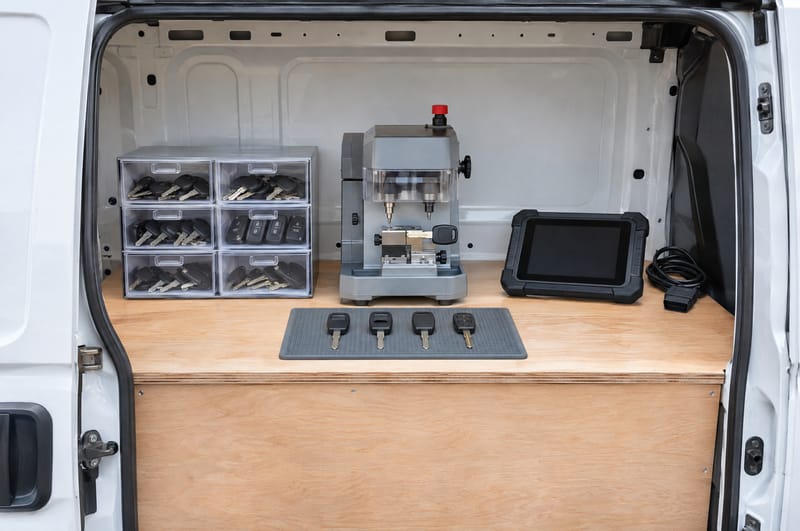
For transponder keys and remote fobs, the blade is only half the equation. The electronic chip must be programmed to match the car's security system. That programming is done at the vehicle using specialized tools. The blade cutting and the chip programming are two separate steps, and both must be correct for the key to work.
Preventing Key Wear
You can slow the wear on a key blade with a few simple habits. Keep your key separate from heavy objects in your pocket. Do not use it as a tool to open packages or scrape ice off the windshield. Have a spare key cut before the original becomes too worn, and rotate between the two so the wear is spread out. If you notice the key starting to feel loose in the lock, consider having it inspected before the problem gets worse.
Some people think that lubricating the lock will solve a worn key problem. Lubricant can help a sticky lock, but it does not fix the mismatch between the key and the pins. A worn key will still not lift the pins correctly no matter how slippery the cylinder is. The right fix is either a new key cut to the lock's current condition or a lock repair.
Signs That Your Key Blade Is Too Worn
- The key slides in easily but will not turn without jiggling.
- You can see visible rounding on the tip or the edges of the cuts.
- The key feels loose in the slot and rattles slightly.
- It works in one lock but not another door on the same car.
- The key used to work smoothly but now requires extra force.
If any of these sound familiar, it is worth having your key and locks checked. A mobile locksmith can evaluate both the key and the lock at your location and advise on the best course of action. In many cases a fresh key cut from the original code will restore normal function. In others, the lock cylinder may need attention first.
The Link Between Key Wear and Lock Damage
Using a worn key over a long period can transfer the wear to the lock's pins. The pins develop flat spots or burrs that match the worn key's shape. When you finally get a new key cut to the original code, it may not fit because the lock has adapted to the old worn key. This is why some people say their new key does not work even though it was cut correctly. The lock, not the key, is the problem.
If you are planning to sell your car or have it serviced, make sure the key works smoothly in all locks and the ignition. A worn key that barely works can be a red flag to a buyer or a mechanic. Replacing it early is cheap compared to the inconvenience of being locked out or stranded.
Final Thoughts
Your car key blade is a small piece of metal that does a lot of work. Paying attention to how it feels in the lock can save you from a broken key or a seized lock. If you suspect your key is worn, have it checked by a professional who can cut a replacement that matches the lock's current condition. The car key cutting process is straightforward, but it requires skill and the right equipment to get it right the first time. A worn blade may seem like a minor issue, but it can lead to bigger problems if left unattended.